
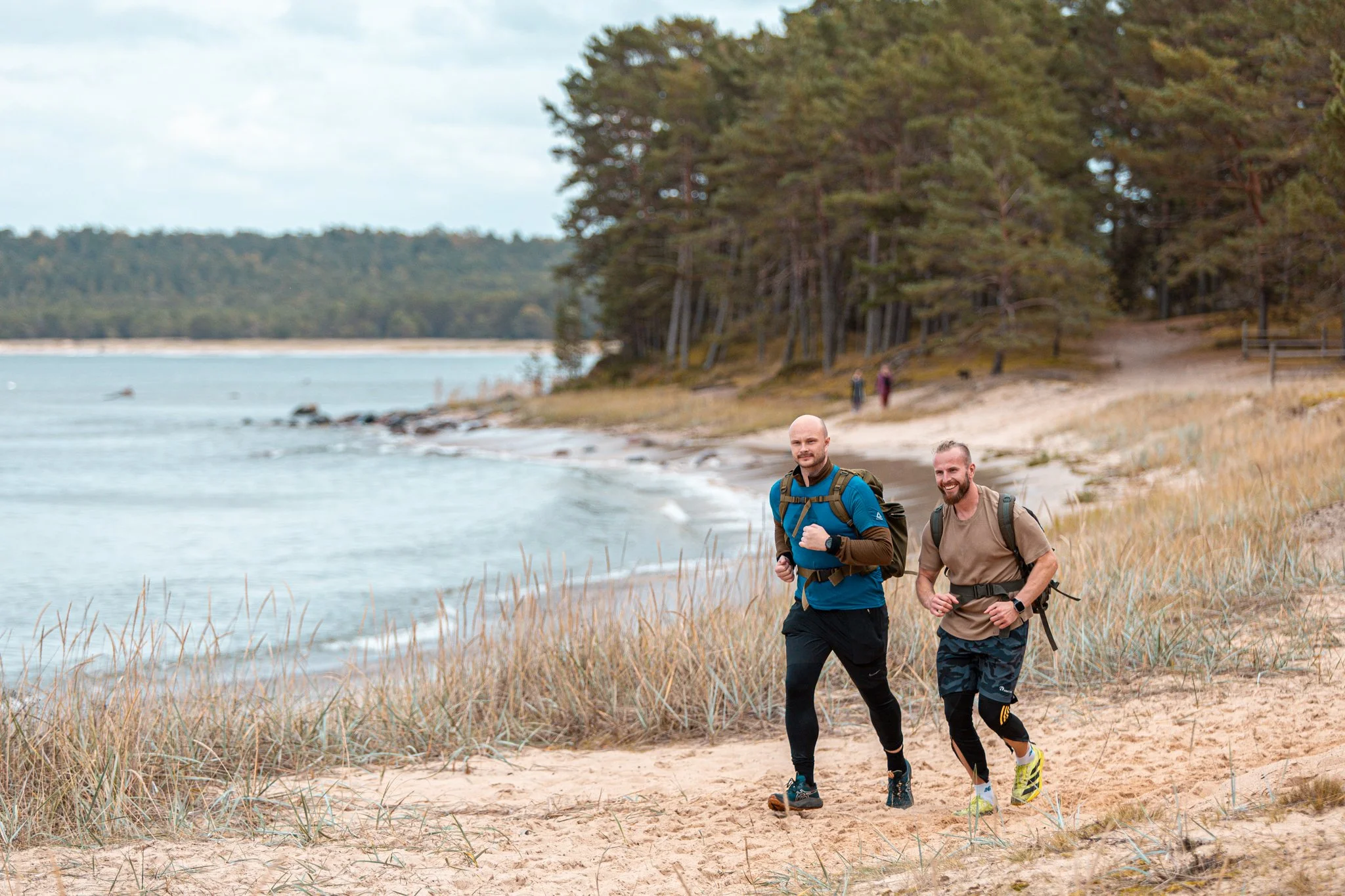
When you spend a whole day on the trail or are hiking for several days in a row, food becomes a very important part of your gear. You need enough energy, but at the same time you want to keep your backpack as light as possible and avoid long, time-consuming meal breaks.
1. Carbohydrates – quick energy during exercise
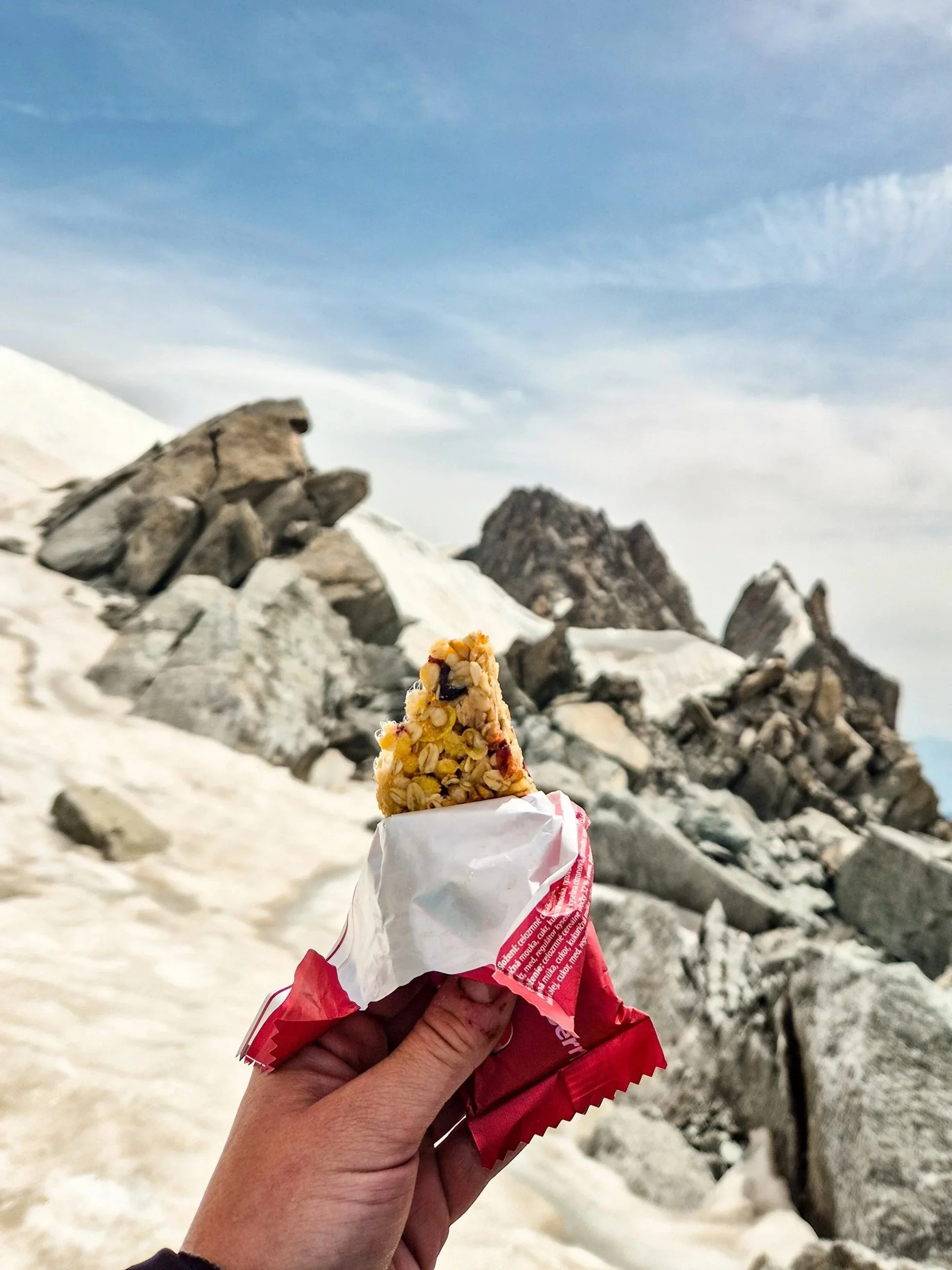
On long hikes, carbohydrates are the body's main source of quick energy. Since the body's glycogen stores are limited, they need to be replenished regularly during exertion. Carbohydrates from food are mainly broken down into glucose, a simple sugar, which the body uses to produce energy. Some of the glucose is used immediately, while the excess is stored in the muscles and liver as glycogen.
Glycogen is like the body's own energy reserve. During physical exertion, the body breaks it down again into glucose, from which the cells produce the energy needed for movement. Glycogen stored in the muscles helps the muscles work, while glycogen in the liver helps maintain blood sugar levels and provides energy to other tissues, including the brain.
The best light and quick-to-consume options:
Energy gels
Energy bars
Gummy candies
Dried fruits
For longer efforts, it is wise to start with about 30–60 grams of carbohydrates per hour. For very long efforts, the need may reach 60–90 grams per hour, but it is worth practicing larger amounts gradually.
Practical tip: Don't wait until you feel hungry or your strength is failing. Start consuming carbohydrates at the beginning of your hike and continue in small amounts regularly throughout your effort. This will help keep your energy levels more consistent and allow you to keep going for longer.
2. Fats – more energy per gram
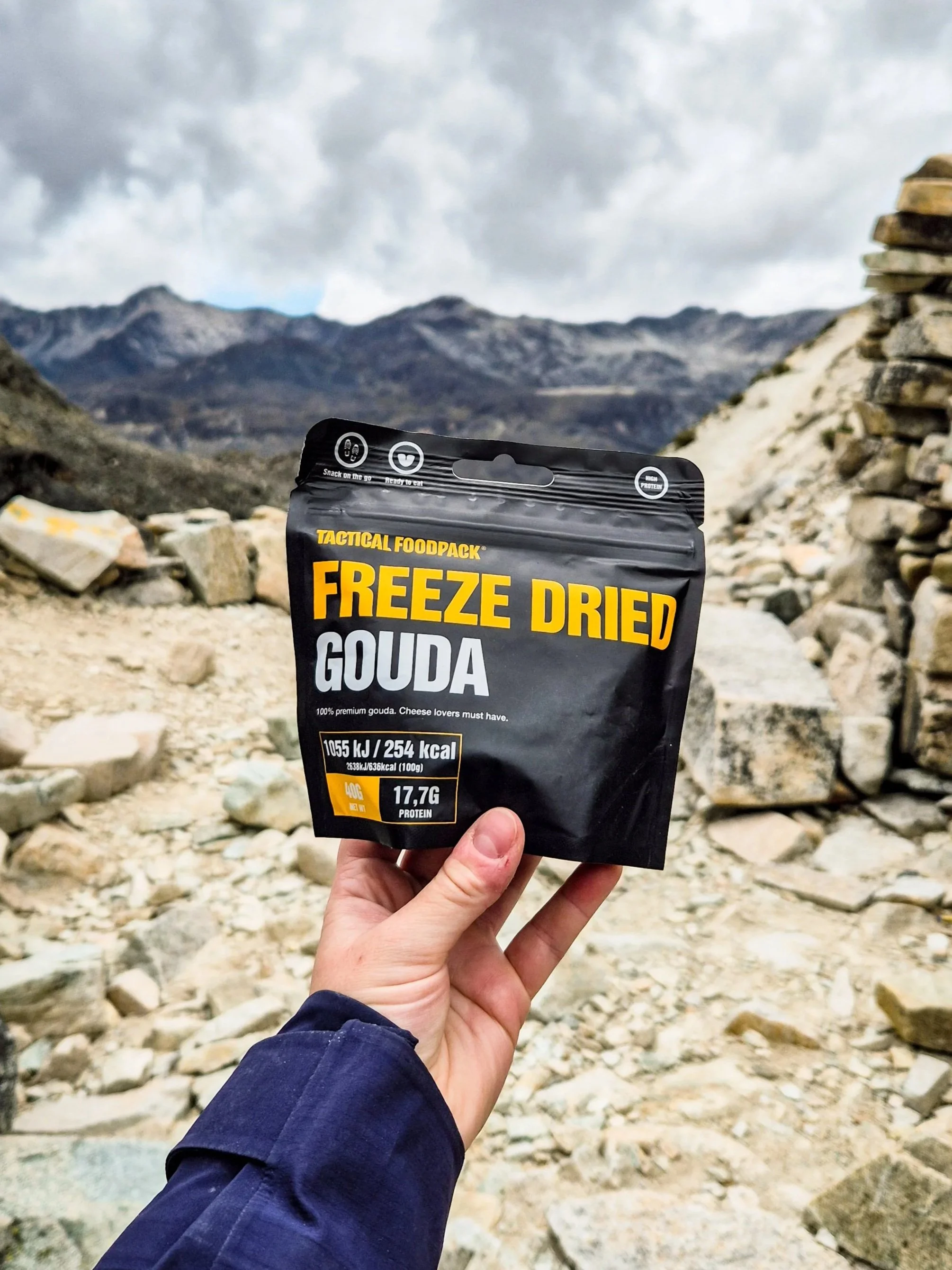
While carbohydrates are quickly available energy that the body uses more at a faster pace or during very physically difficult efforts, when moving at a leisurely pace, the body can also produce most of its energy from fats (NB! Carbohydrate consumption remains important so that energy reserves do not deplete).
Fat provides about 9 kcal per gram, while carbohydrates and proteins provide about 4 kcal per gram. Therefore, foods high in fat are good choices if you want to reduce the weight of your take-out food.
Good choices:
Nuts
Chocolate
Bad
Fatty foods are good for slower movements and breaks. During very intense exercise, prefer more easily digestible carbohydrates.
3. Proteins – to speed up muscle recovery
Protein supports muscle recovery and helps meet the body's needs on a multi-day hike. You don't need to eat it every hour, but it's worth planning several sources of protein throughout the day.
Proteins are primarily a building material for the body, not the main source of energy. However, on a long hike, the body can also get energy from proteins if necessary, especially when the effort lasts for a long time and the availability of carbohydrates is limited. However, the greatest benefit of proteins is manifested after the hike, during recovery.
Lightweight and practical options:
Dried meat or jerky
Protein bars
Just
The most effective product is not necessarily the one with the highest protein content, but one that is convenient to eat and suitable for your digestion.
4. Water and electrolytes
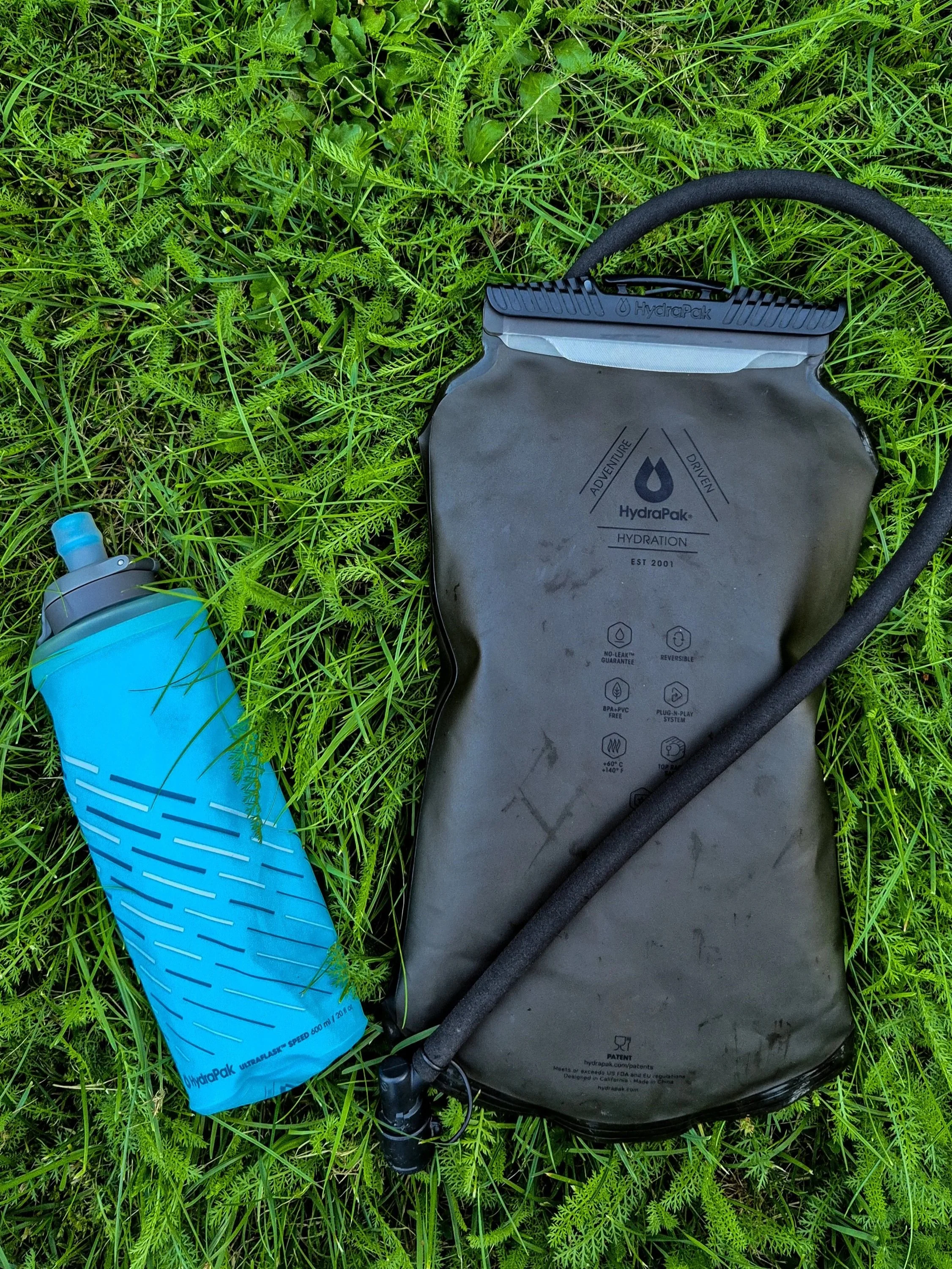
Regular water consumption during exercise is necessary, but if you only drink pure water, you may become deficient in salts. It is wiser to add electrolytes to your water bottle or take salt capsules with you on the trail.
The need for fluids and salts depends on the weather, the load you are carrying, and how much you sweat. Drink regularly, but don't force yourself to consume excessive amounts of water.
to summarize
The most important tip: Don't leave all your food for long breaks. Keep some of your energy handy in your pocket or backpack's belt pocket and eat regularly. That way you don't have to unpack your backpack every time or wait until your energy reserves are running low.
The best food for an endurance hike is one that gives you a lot of energy, weighs little, and is something you can actually eat even when you're tired.
Author: Kelli Saar