
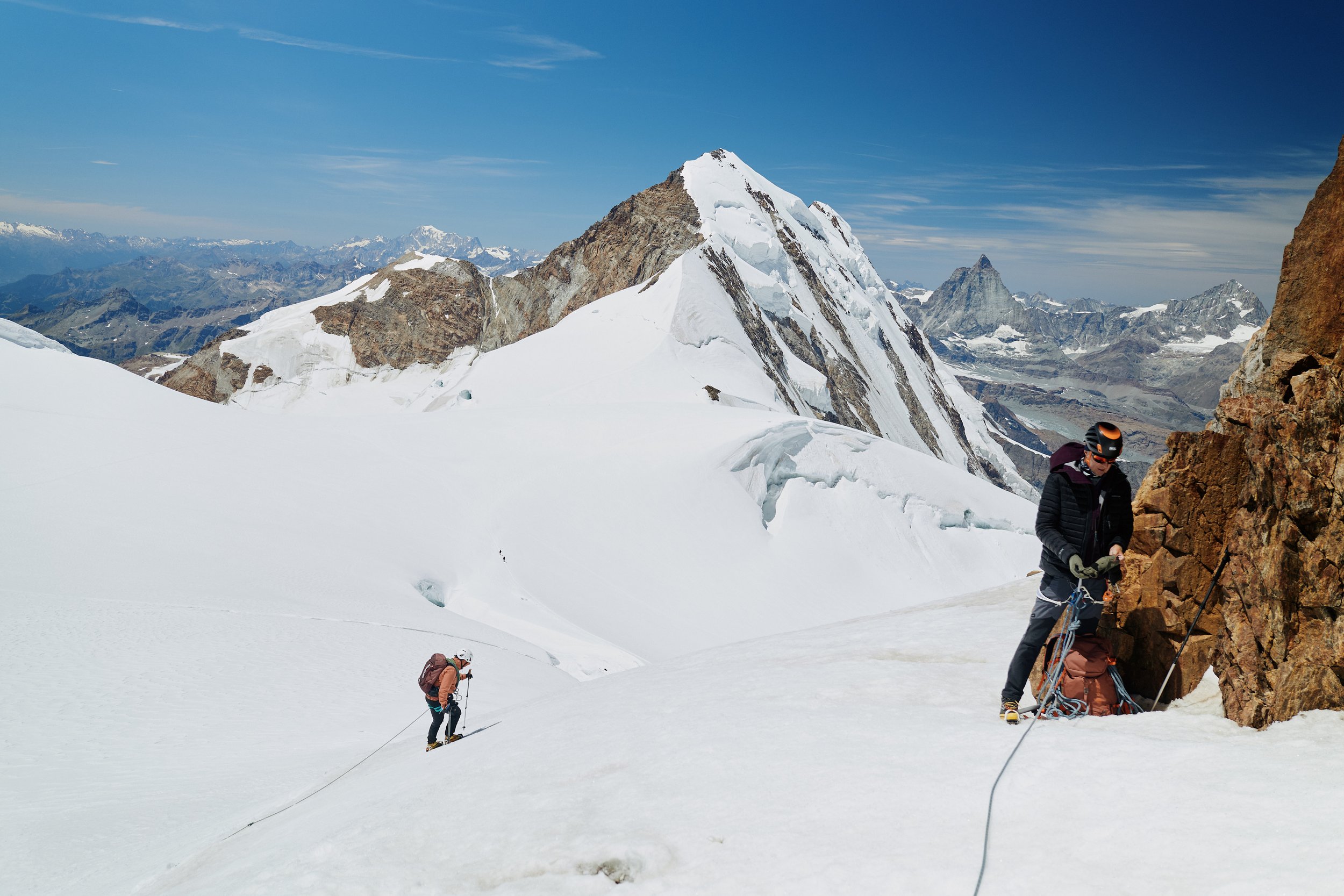
In the mountains, a successful day is not just determined by how strong you are or how good your equipment is. It's often the decisions you make before your trip and while you're in the mountains that matter.
1. The journey is evaluated only in kilometers, not in meters of elevation gain
Completing a 10 km hike in Estonia and a 10 km hike in the mountains are two completely different experiences. In the mountains, you have to take into account, among other things, the ascent meters, descents, terrain and altitude.
At sea level, on flat terrain, you can cover a 10km journey in 2-3 hours. At 3000m with 1000m of elevation gain, it can take 5 hours or longer, depending on the technicality of the trail (it can take up to 10 hours if you're climbing).
When assessing the difficulty of a trip, be sure to consider the daily ascent meters, the expected duration of the hike, the highest overnight and movement altitude, and the nature of the terrain, in addition to the distance.
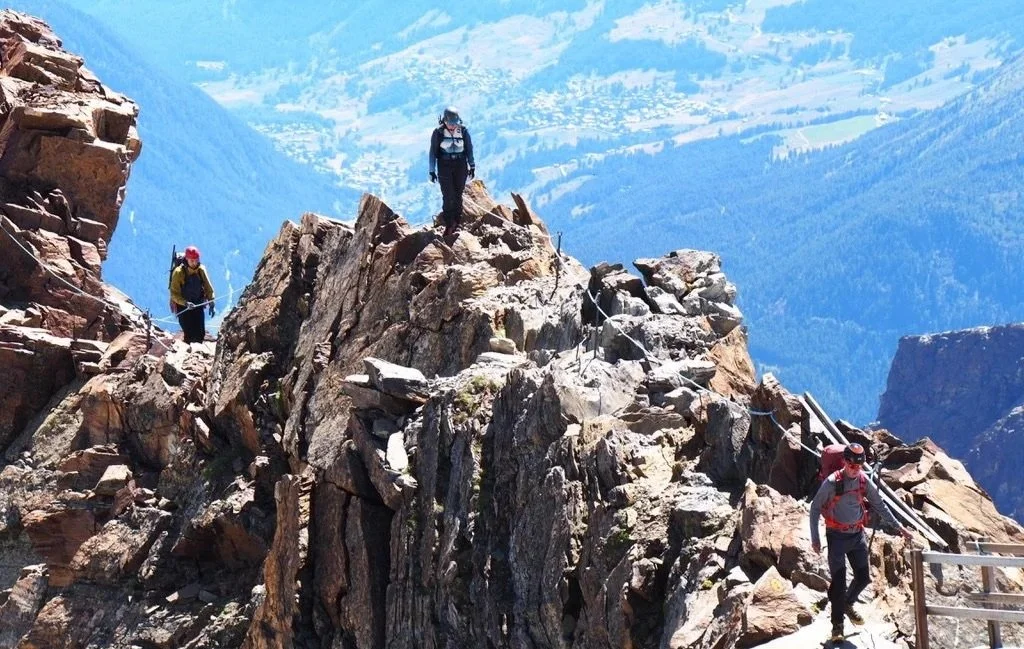
Photo: Hendrik Eerikson
2. Starting too fast
The first few hours of a hike can be deceiving. You have a lot of energy, the weather is beautiful, and the summit seems close. Athletes in very good physical shape may tend to rush too much in such a situation and overload their bodies - this makes the symptoms of altitude sickness appear faster.
If you start at too fast a pace, you may experience sudden fatigue in the second half of the day, especially if there is still a long descent ahead.
In the mountains, the ability to distribute your energy is often more important than maximum physical capacity. It is wise to choose a pace at which you can adequately talk. Regular breaks for food and drink will help prevent a situation where energy reserves run out before the end of the hike.
3. Choosing a boot that is too soft for a mountain hike
For hiking in the mountains, it is best to choose a hiking boot with a stiff sole and a high heel. A soft sole does not provide enough support for the foot on rough, rocky terrain, and a smooth sole can be slippery on rocks. Shoes with a low heel, on the other hand, increase the risk of spraining the ankle.
You can read about which shoes are best for which terrain in our ABC of mountain hiking from the rubric.
Photo: Konstantin Rybkin
4. The trip is chosen based on the peak of dreams, not the appropriate level of difficulty
A good first goal isn't necessarily the highest peak. Instagram photos rarely show long climbs, frozen fingers, tired legs, or hours when the weather doesn't allow for progress.
Your first more technical mountain trip should be more of an introduction to mountaineering. It is a trip with a level of difficulty that allows you to learn the rhythm of mountaineering, get used to the terrain, and gain experience that you can build on in the future. If your first experience is too scary and beyond your abilities, it may leave you with an unpleasant memory and make you think that the mountains are not for you.
5. Packing too much stuff
Often, the first time you go to the mountains, you tend to bring too much equipment that you don't really need. Think through each element carefully, because you'll be carrying every extra kilo on your shoulders and legs. For example, you don't need a new clean shirt, new socks, or a heavy electric toothbrush every day in the mountains. Several light but unnecessary things add up to a lot of extra weight.
Author: Kelli Saar